Technology and Market Forecasting for 112075901, 615432974, 18004859510, 917901023, 1514325555, 934921722


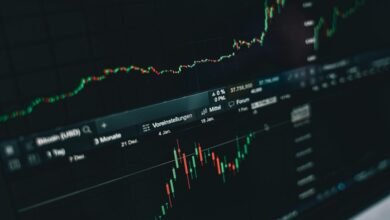
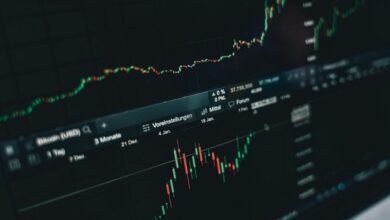
The integration of technology in market forecasting is transforming how businesses, including those identified by unique numeric codes, approach strategic decision-making. With advanced machine learning algorithms and AI applications, these companies harness data-driven insights to enhance predictive accuracy. This capability allows for effective identification of emerging trends and shifts in consumer behavior. However, the implications of these technological advancements extend beyond mere predictions, prompting a closer examination of the resulting operational optimizations and competitive advantages.
The Role of Technology in Market Forecasting
As businesses increasingly rely on data-driven insights, the role of technology in market forecasting has become paramount.
Machine learning algorithms analyze vast datasets, uncovering patterns that traditional methods may overlook. Meanwhile, artificial intelligence enhances predictive accuracy, enabling organizations to anticipate market shifts with precision.
This integration of advanced technologies empowers businesses, fostering a landscape where informed decision-making thrives and operational freedom is achieved.
Industry-Specific Trends and Insights
How do industry-specific trends shape market forecasting practices?
Emerging technologies and innovation trends significantly influence market dynamics, prompting analysts to adapt their strategies.
Industry disruptions necessitate rigorous competitive analysis, allowing firms to anticipate shifts in consumer behavior.
Data Analytics and Predictive Modeling Techniques
A wealth of data analytics and predictive modeling techniques are transforming market forecasting practices across industries.
By leveraging machine learning algorithms, organizations can identify patterns and trends within vast datasets. Enhanced data visualization tools allow stakeholders to interpret complex information intuitively, facilitating informed decision-making.
These advancements empower businesses to anticipate market shifts, optimize strategies, and ultimately foster a culture of innovation and adaptability.
Future Outlook: Embracing Technological Advancements
The integration of advanced data analytics and predictive modeling has set the stage for a transformative approach to market forecasting, highlighting the importance of embracing technological advancements.
AI integration and IoT advancements drive automation impact, while cloud adoption facilitates digital transformation.
Companies adopting innovation strategies will leverage these technologies, ensuring resilience and adaptability in an increasingly complex market landscape, ultimately fostering greater freedom of choice and action.
Conclusion
In an era where technology dictates market forecasting, one might expect businesses like those represented by the numbers 112075901 and 615432974 to predict their futures with flawless precision. Ironically, as they harness advanced algorithms and data analytics, the unpredictability of consumer behavior remains their greatest challenge. While these firms embrace cutting-edge tools, the market’s inherent volatility serves as a reminder that even the most sophisticated forecasts can be upended by unforeseen trends.