Global Business and Consumer Behavior Trends for 615322196, 9137013091, 650801027, 957486668, 18003594107, 961121031

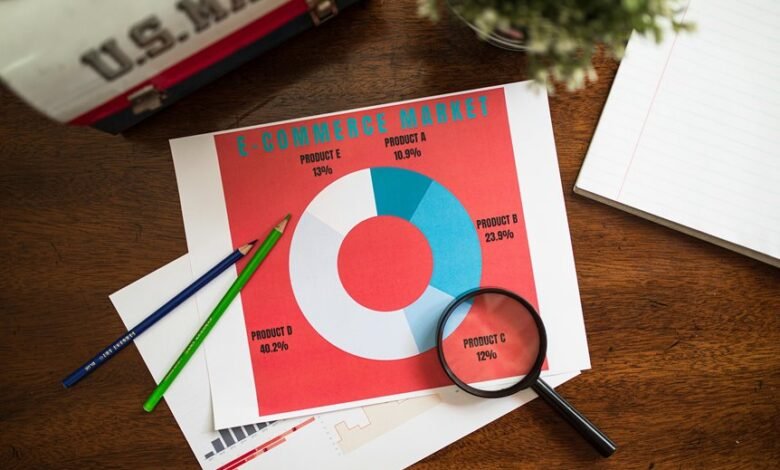
The interplay of cultural shifts, technological advancements, and economic factors is reshaping consumer behavior in global markets. Brands increasingly face pressure to align with consumer values, particularly regarding sustainability and personalization. Mobile commerce and social media are pivotal in influencing buying decisions. Understanding these dynamics is essential for businesses aiming to foster loyalty and adapt to a competitive landscape. However, the question remains: how can companies effectively navigate these evolving trends?
The Impact of Cultural Shifts on Consumer Behavior
Cultural shifts serve as a pivotal force shaping consumer behavior in today’s global marketplace.
These transformations influence cultural identity, prompting consumers to align their purchases with brands that resonate with their values. As a result, businesses must adapt to these changes to cultivate consumer loyalty.
Understanding these dynamics is essential for navigating the complexities of modern consumerism and fostering meaningful connections with diverse audiences.
Technological Advancements Shaping Purchasing Decisions
As technology continues to evolve, its influence on purchasing decisions has become increasingly pronounced.
Artificial intelligence enhances personalized marketing, tailoring offers to individual preferences. Mobile commerce facilitates seamless transactions, while social media drives engagement and brand loyalty.
Virtual reality creates immersive shopping experiences, and data analytics provides insights into consumer behavior, empowering businesses to make informed decisions that resonate with their target audiences.
Economic Factors Influencing Global Market Trends
While fluctuations in global economies often dictate market dynamics, various economic factors play a crucial role in shaping consumer behavior and business strategies.
Inflation rates can erode purchasing power, prompting consumers to alter spending habits, while currency fluctuations impact international trade and pricing strategies.
Together, these elements create a complex landscape that businesses must navigate to remain competitive and responsive to changing consumer preferences.
Strategies for Businesses to Adapt to Changing Consumer Preferences
Businesses must proactively refine their strategies to align with evolving consumer preferences, which are increasingly influenced by technology, social values, and economic conditions.
Implementing personalization strategies allows companies to cater to individual customer needs, fostering loyalty.
Additionally, embracing sustainability initiatives not only meets the demand for ethical consumption but also enhances brand reputation, positioning businesses favorably in a competitive marketplace driven by conscious consumerism.
Conclusion
In conclusion, the interplay of cultural shifts, technological advancements, and economic factors profoundly influences consumer behavior in the global marketplace. As brands strive to resonate with consumers’ evolving values, one must ponder: how will companies innovate to foster deeper connections in an increasingly competitive landscape? By proactively adapting to these trends, businesses can not only survive but thrive, ensuring long-term loyalty and relevance amidst the dynamic nature of consumer expectations.